Our Clients

  • Schineder Electric
  • KSIA - Korea Semiconductor Industry Association
  • Hitachi Astemo Limited
  • Samsung Electronics
  • Halvo holdings
  • NTT corporation
  • AGC Inc
  • Siemens AG
  • Unilever
  • Merck Pharmaceuticals
  • Atlas Copco
  • Hologic - Medical Technology company
  • Novartis
  • Henkel
  • Reckitt
  • Schineder Electric
  • KSIA - Korea Semiconductor Industry Association
  • Hitachi Astemo Limited
  • Samsung Electronics
  • Halvo holdings
  • NTT corporation
  • AGC Inc
  • Siemens AG
  • Unilever
  • Merck Pharmaceuticals
  • Atlas Copco
  • Hologic - Medical Technology company
  • Novartis
  • Henkel
  • Reckitt
  • FAQs

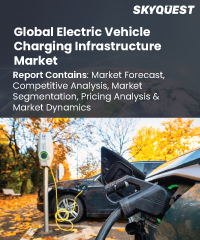
    Global Electric Vehicle (EV) Charging Infrastructure Market size was valued at USD 35.93 Billion in 2024 and is poised to grow from USD 43.12 Billion in 2025 to USD 185.39 Billion by 2033, growing at a CAGR of 20% in the forecast period 20%.

    The competitive landscape of the global electric vehicle (EV) charging infrastructure industry is increasingly dynamic, marked by the presence of established players, new entrants, and collaborations aimed at scaling infrastructure and enhancing technology offerings. Leading companies such as ChargePoint, ABB, Tesla, and Siemens are focusing on expanding their geographic reach, developing ultra-fast charging technologies, and integrating smart energy management systems. Strategic partnerships and acquisitions remain central to competitive positioning in 2024. 'Shell Recharge', 'EDF', 'Charge+', 'ChargePoint', 'Tesla', 'ABB', 'Siemens', 'Blink Charging', 'EVBox', 'Schneider Electric', 'Volta Charging', 'BP Pulse', 'Pod Point', 'Engie'

    Governments across the globe are offering substantial regulatory and financial incentives to accelerate the development of EV charging infrastructure. These include tax credits, grants, zero-emission mandates, and public-private partnership initiatives aimed at expanding public and private charging networks. Such measures are significantly lowering barriers for infrastructure deployment and creating a favorable investment climate for industry players.

    Adoption of Smart Charging and Connected Technologies: The market is witnessing a significant shift toward smart charging systems that leverage AI, IoT, and cloud computing. These technologies allow dynamic load balancing, real-time monitoring, remote diagnostics, and user-friendly mobile access. Smart charging enhances energy efficiency, reduces peak demand costs, and supports demand response strategies, making infrastructure more sustainable and adaptable.

    How is the Electric Vehicle (EV) Charging Infrastructure Market Growing in North America?

    Feedback From Our Clients

    Global Electric Vehicle (EV) Charging Infrastructure Market

    Report ID: SQMIG25A2510

    $5,300
    BUY NOW


